Computer Vision + Medical Imaging · Public Kaggle Projects
Medical Image Segmentation
Dental X-Ray Computer Vision
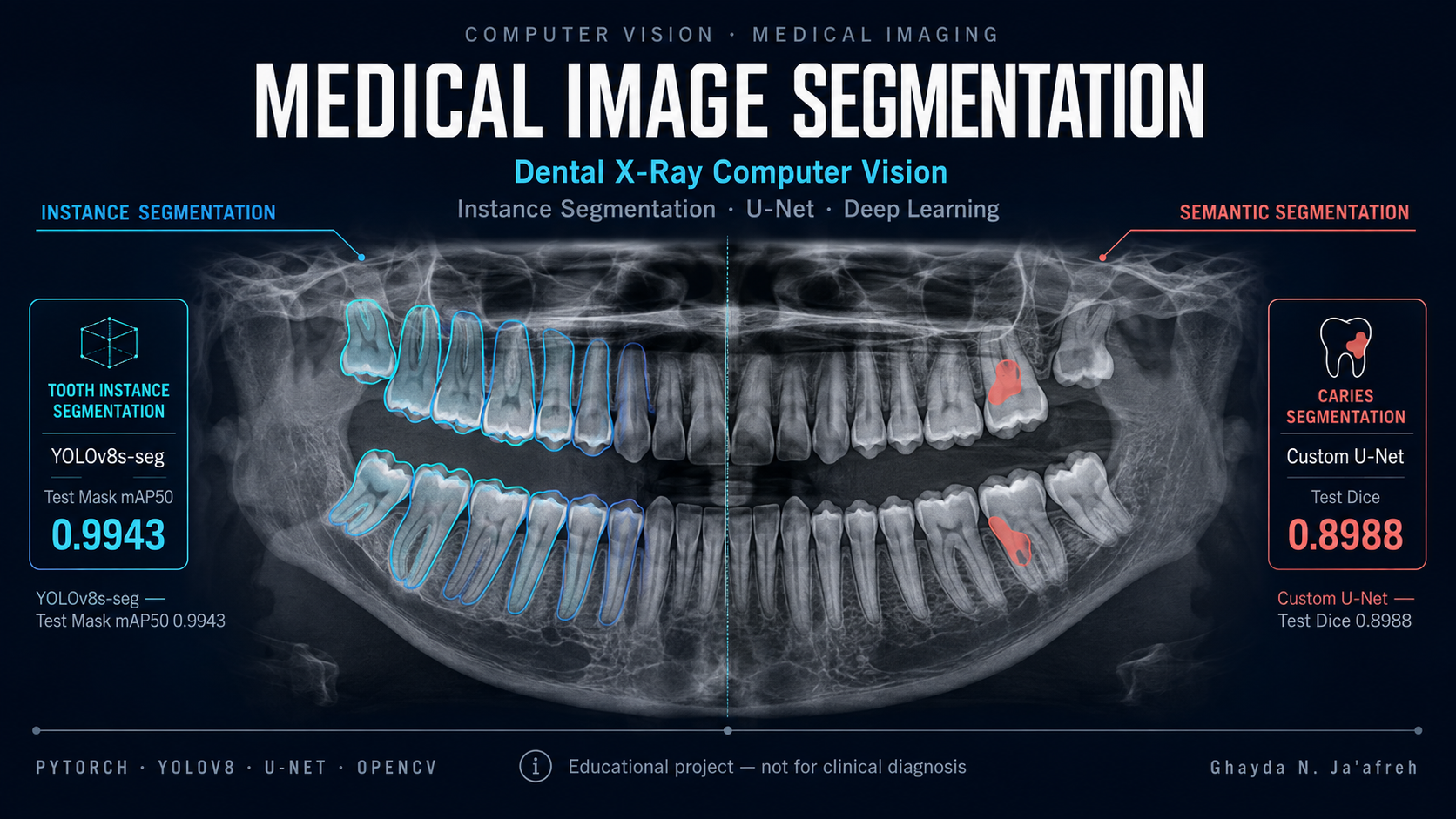
Two applied dental-imaging workflows covering tooth instance segmentation with YOLOv8 and dental-caries semantic segmentation with a custom PyTorch U-Net.
OVERVIEW
Two dental-imaging problems, two segmentation paradigms.
This project collection brings together two computer-vision workflows: tooth instance segmentation on panoramic dental X-rays using YOLOv8, and dental-caries semantic segmentation using a custom PyTorch U-Net. Together they demonstrate annotation handling, training, model selection, threshold tuning, held-out evaluation, and visual inspection of predicted masks.
RESULTS AT A GLANCE
PROJECT 01 · INSTANCE SEGMENTATION
Teeth Instance Segmentation
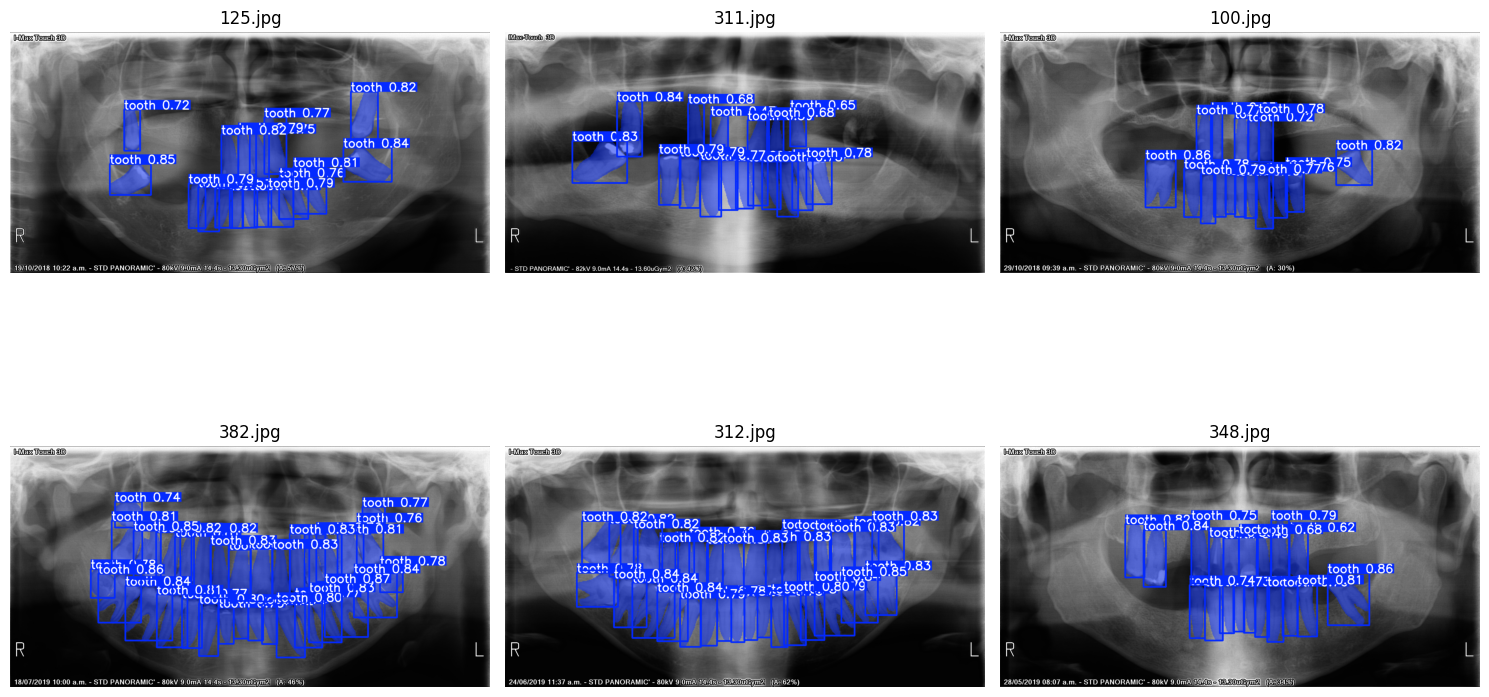
Individual teeth are localized and segmented as separate object instances from panoramic dental radiographs.
Dataset preparation
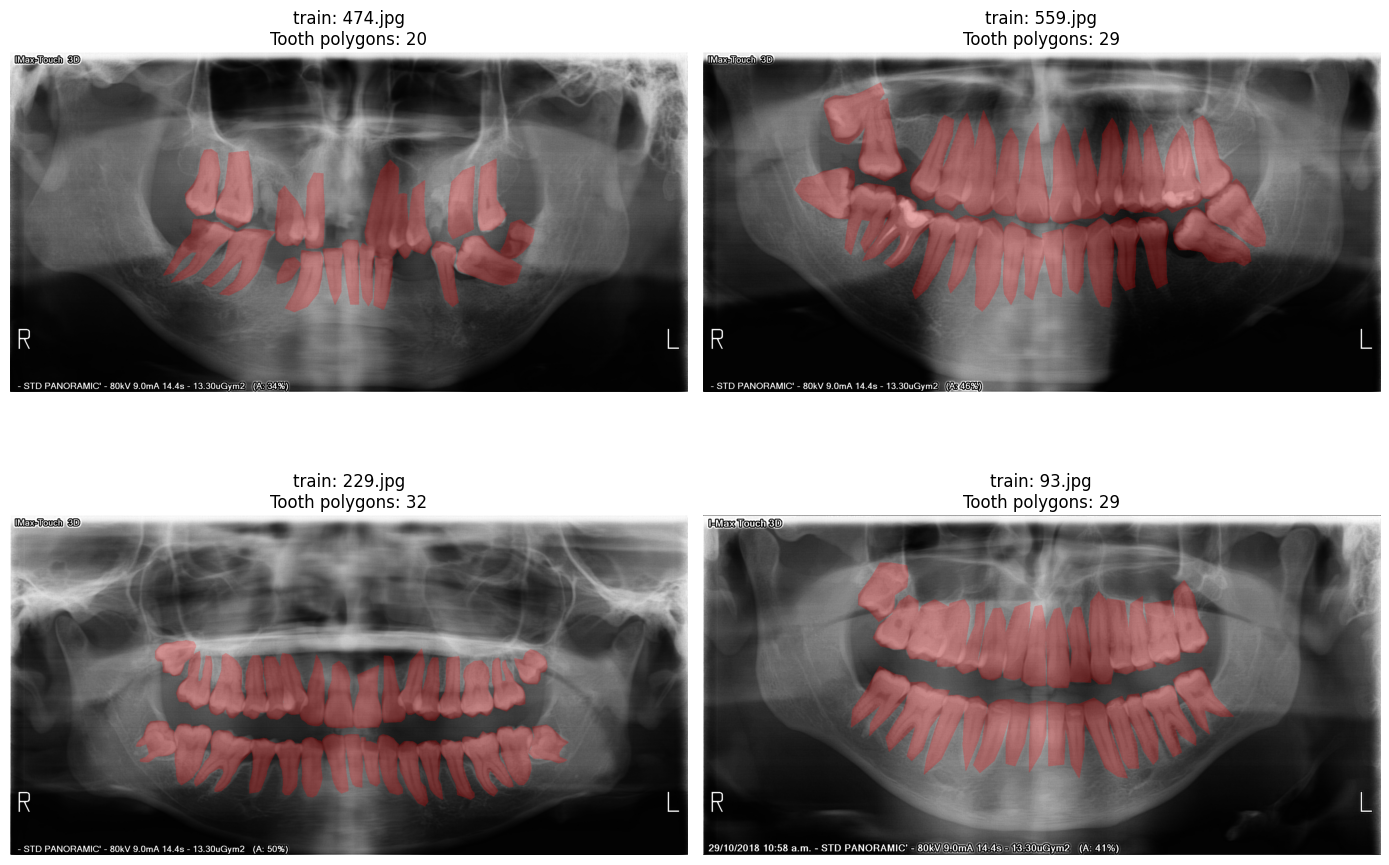
Polygon annotations were converted into YOLO segmentation format and visually checked before training. The final split contained 415 training, 90 validation, and 90 test images.
Model selection
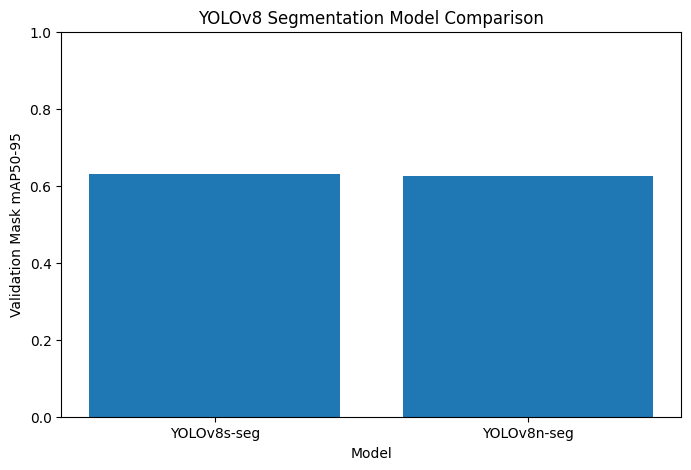
YOLOv8n-seg and YOLOv8s-seg were compared under the same training workflow. The final model was selected using validation Mask mAP50-95, then evaluated separately on the held-out test set.
 Open full size ↗
 Open full size ↗
 Open full size ↗
PROJECT 02 · SEMANTIC SEGMENTATION
Dental Caries Segmentation with U-Net
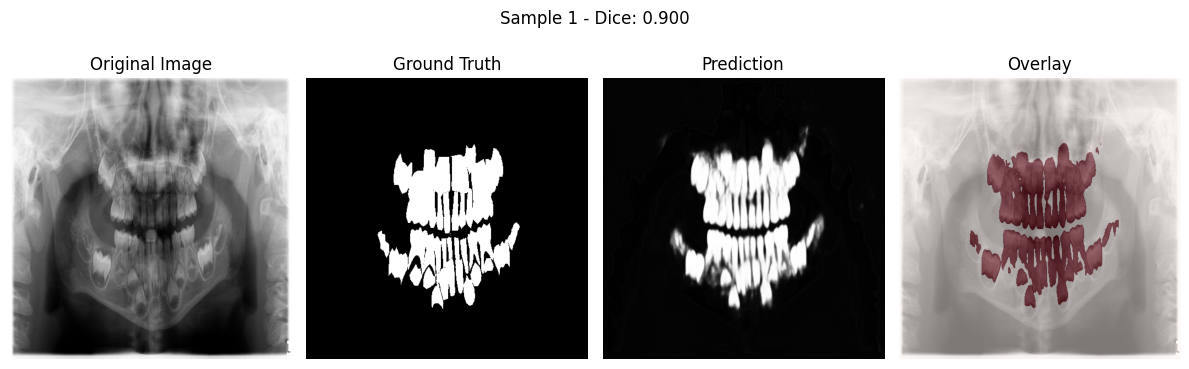
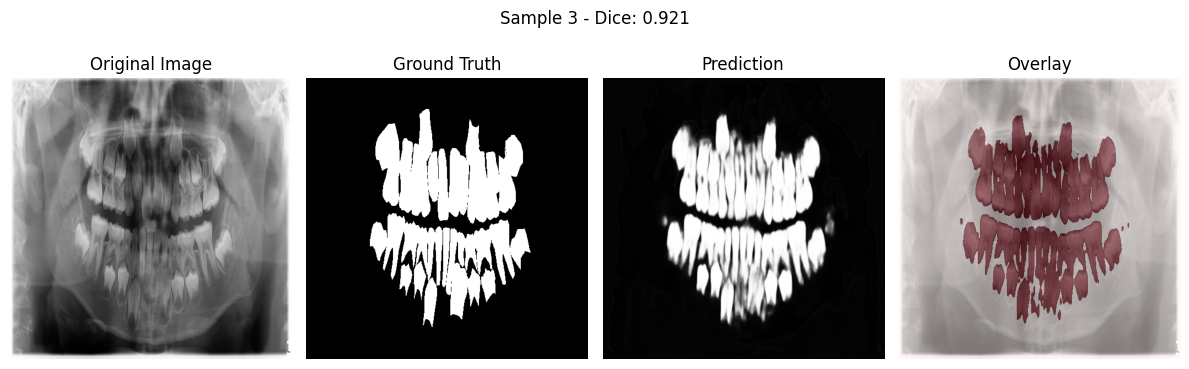
A custom encoder-decoder network predicts a binary pixel mask for caries regions in dental X-ray images.
Custom PyTorch pipeline
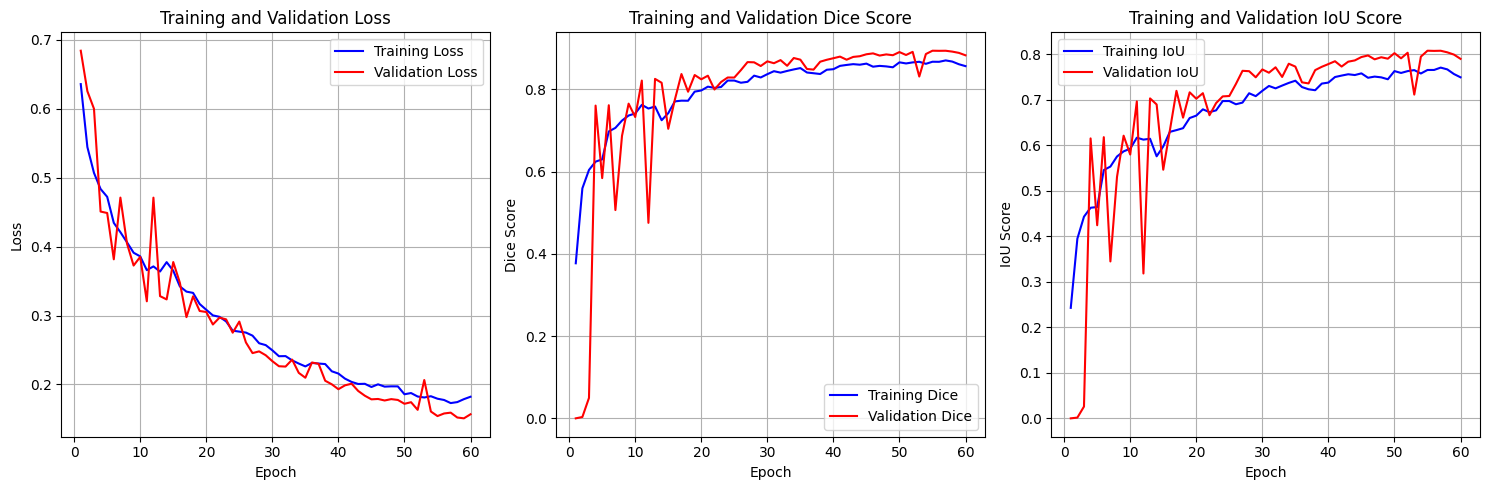
Polygon annotations were converted into paired binary masks. The U-Net used an encoder-decoder architecture with skip connections and approximately 31 million trainable parameters.
Training & threshold tuning
Training used a combined BCE + Dice objective with Adam. Candidate probability thresholds were evaluated on validation data, and 0.60 was selected before final held-out testing.
 Open full size ↗
 Open full size ↗
 Open full size ↗
WHY BOTH MATTER
Instance segmentation and semantic segmentation solve different problems.
Produces multiple separate masks so individual tooth objects can be distinguished from one another.
Produces a binary caries mask without assigning separate object identities to each affected region.
ENGINEERING FOCUS
Annotation engineeringPolygon conversion · binary masks · YOLO segmentation labels
ValidationGround-truth visualization · model comparison · threshold selection
EvaluationMask mAP · Dice · IoU · held-out test sets
ToolingPyTorch · Ultralytics YOLOv8 · OpenCV · Albumentations
PUBLIC NOTEBOOKS